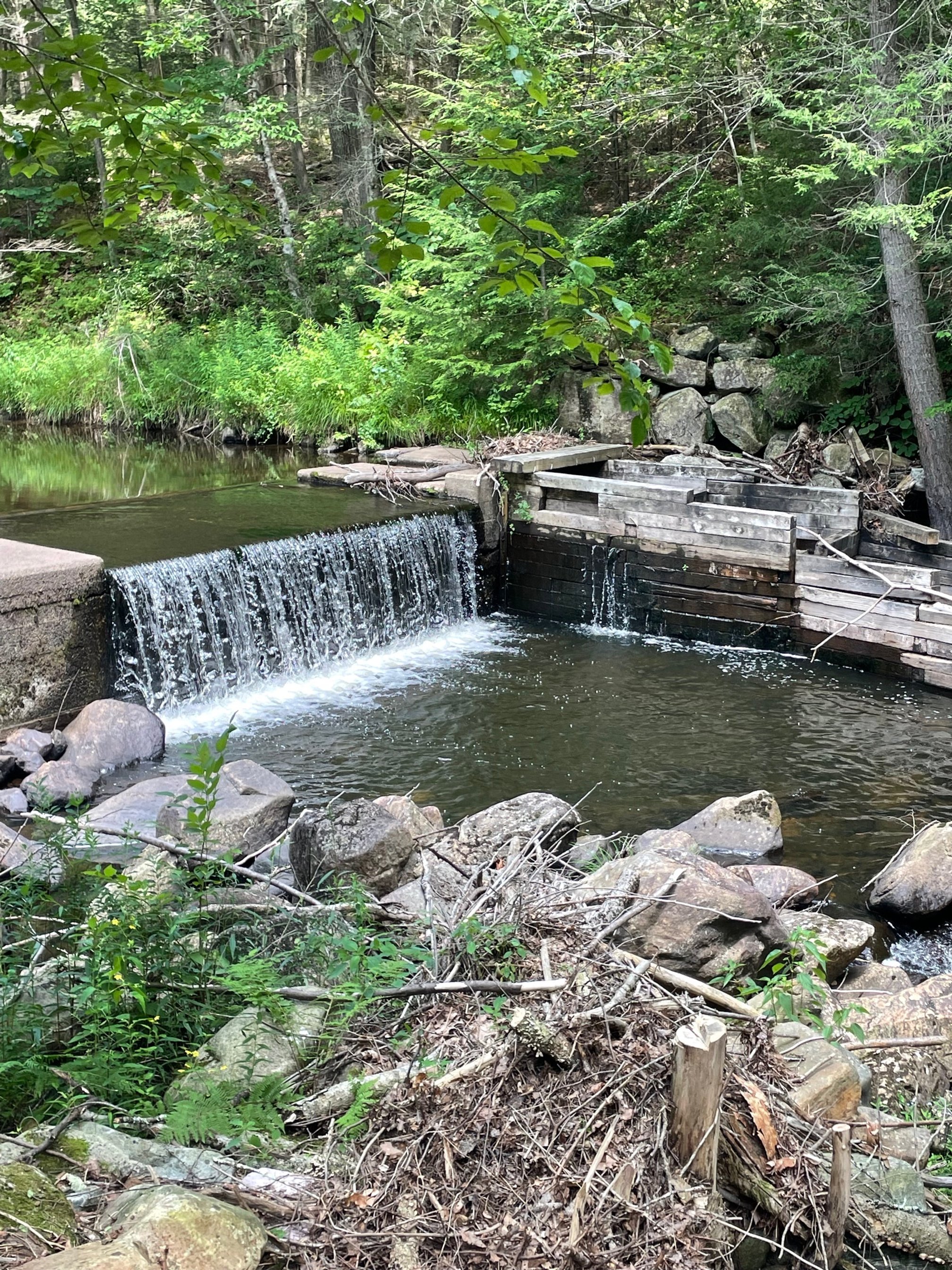
FVTU board members recently received a request from a property owner in Colebrook CT for assistance in repairing a fish ladder on Sandy Brook. The fish ladder was originally installed by the previous landowner in the early 1990’s and subsequently re-designed and re-built in 2002 by CT DEEP. Original intent of the fish ladder was to provide upstream access for Atlantic Salmon as well as native brook trout. Read more on the history of the fish ladder here (pdf).
In early November, several FVTU members recently participated in yet more repairs to the ladder. Although the original intent of the ladder was for use by Atlantic Salmon smolts, the landowner has recently witnessed brook trout navigating the ladder to gain upstream access to spawning habitat.
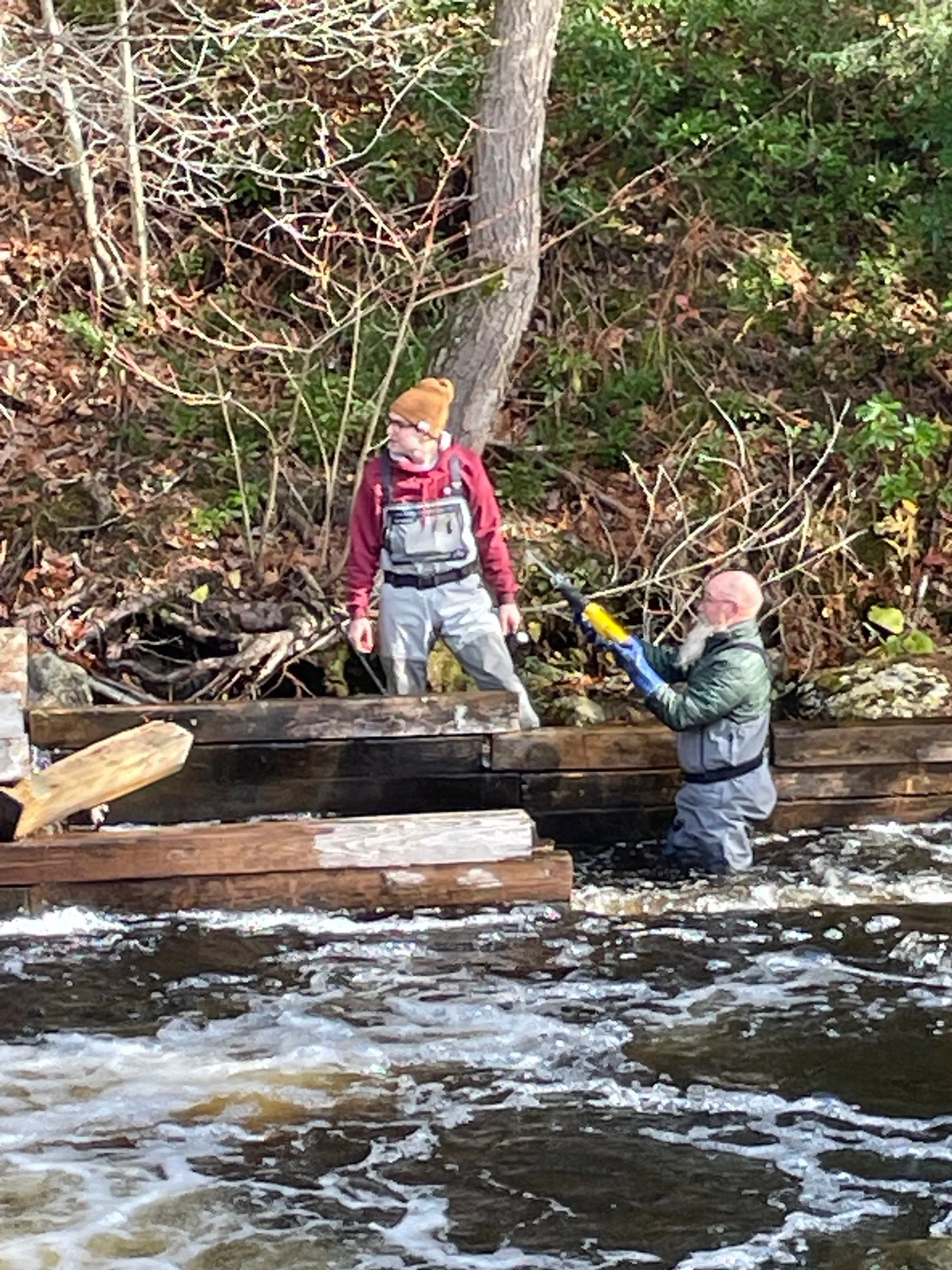
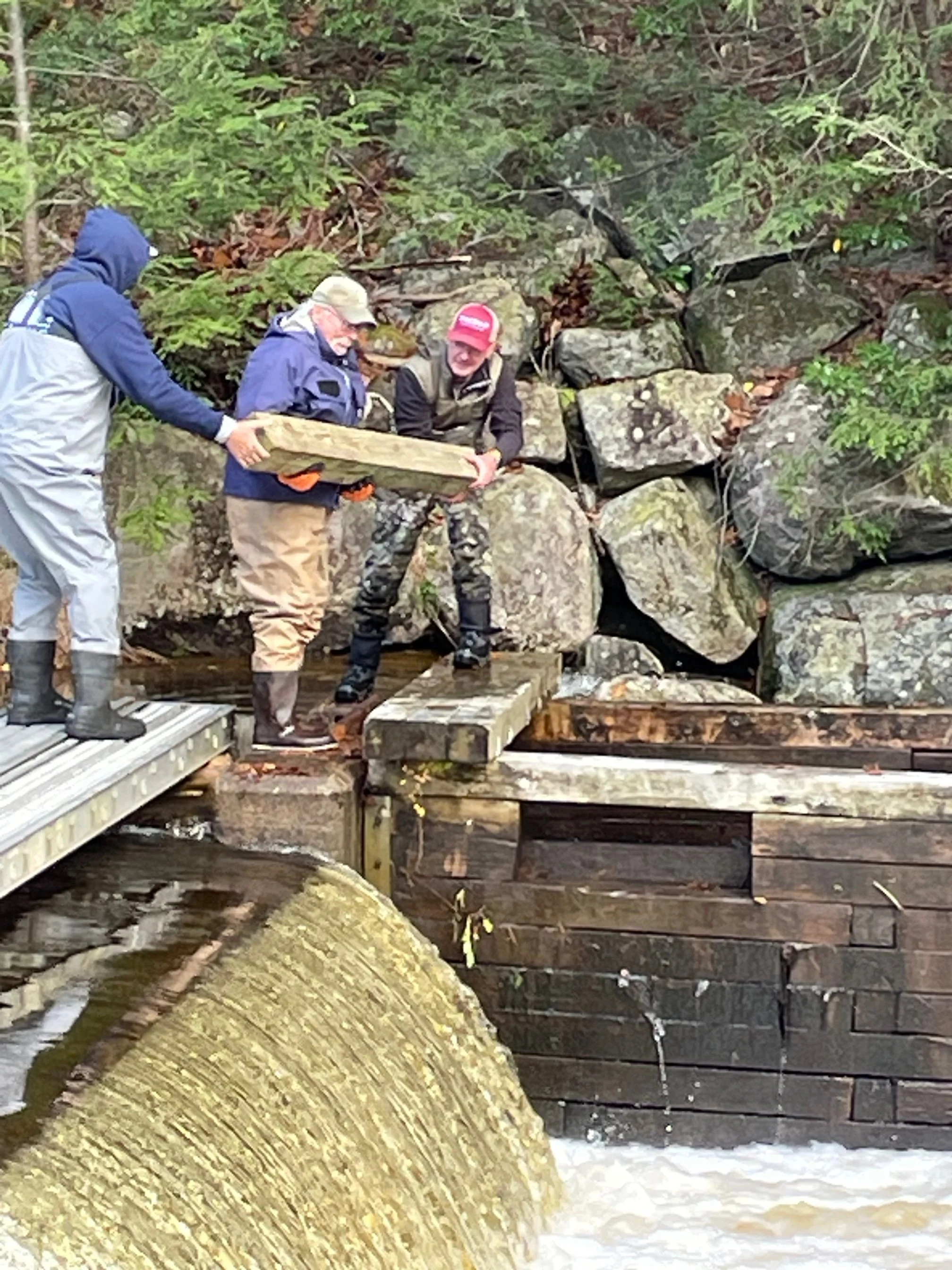
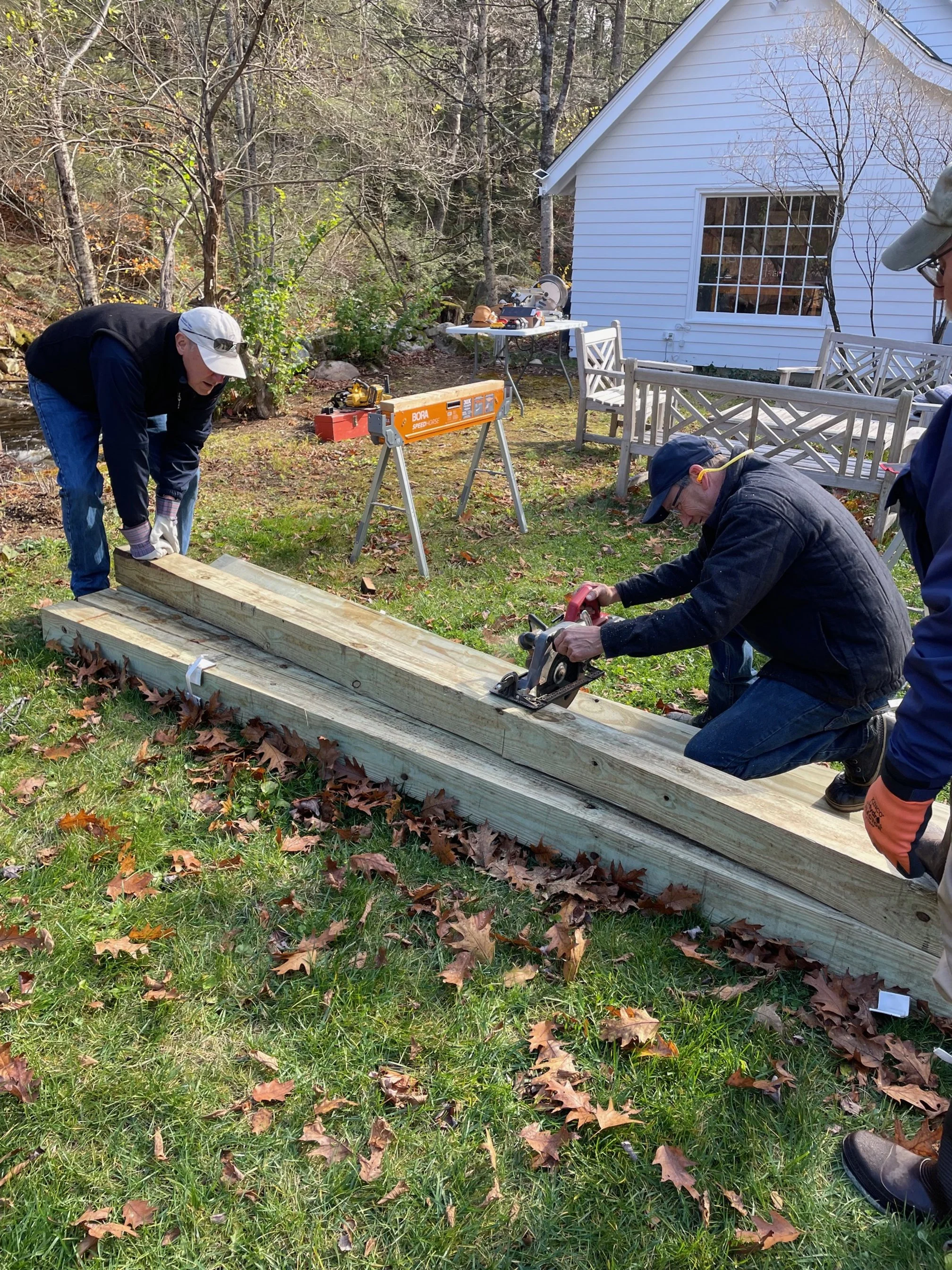
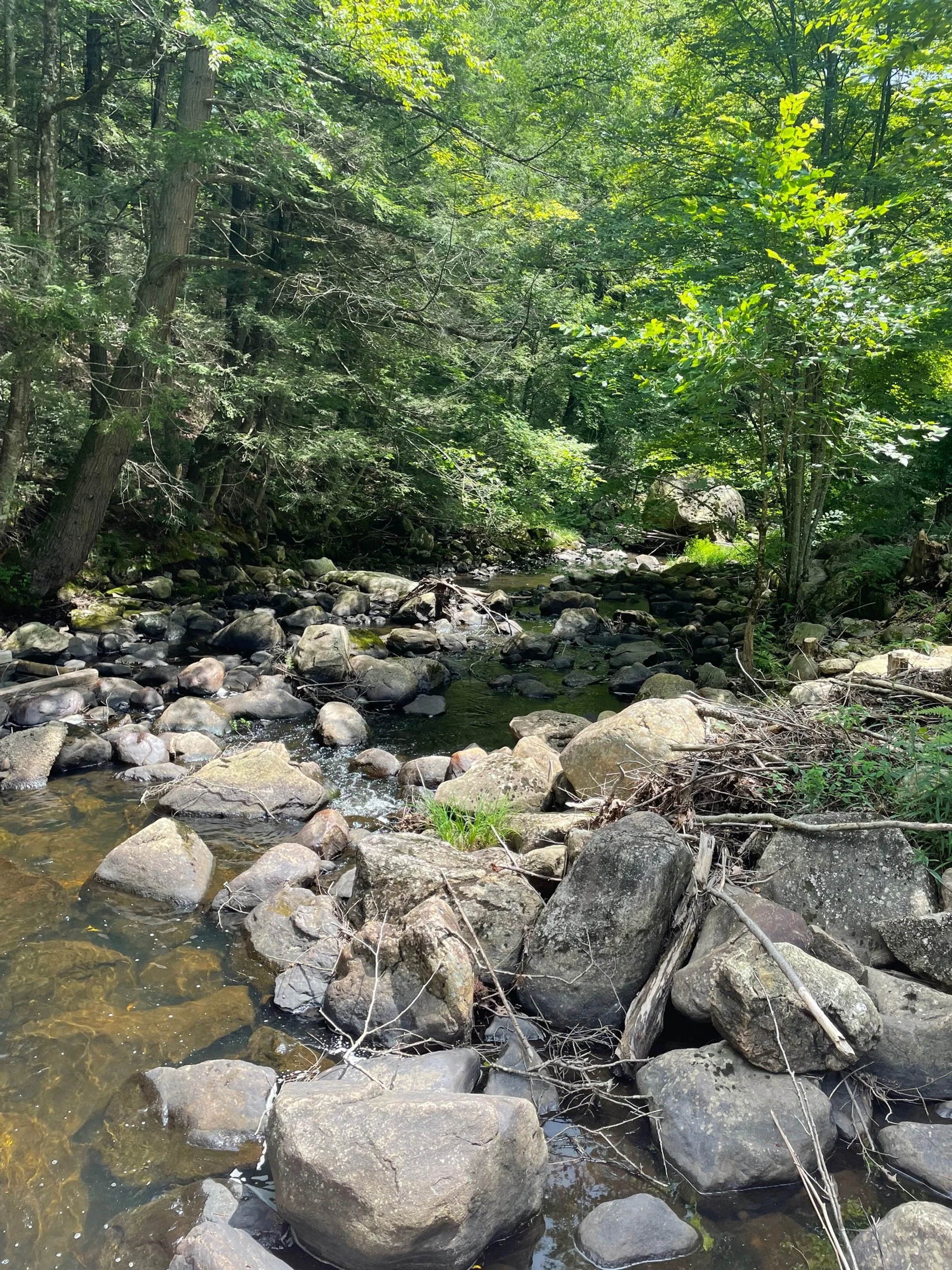
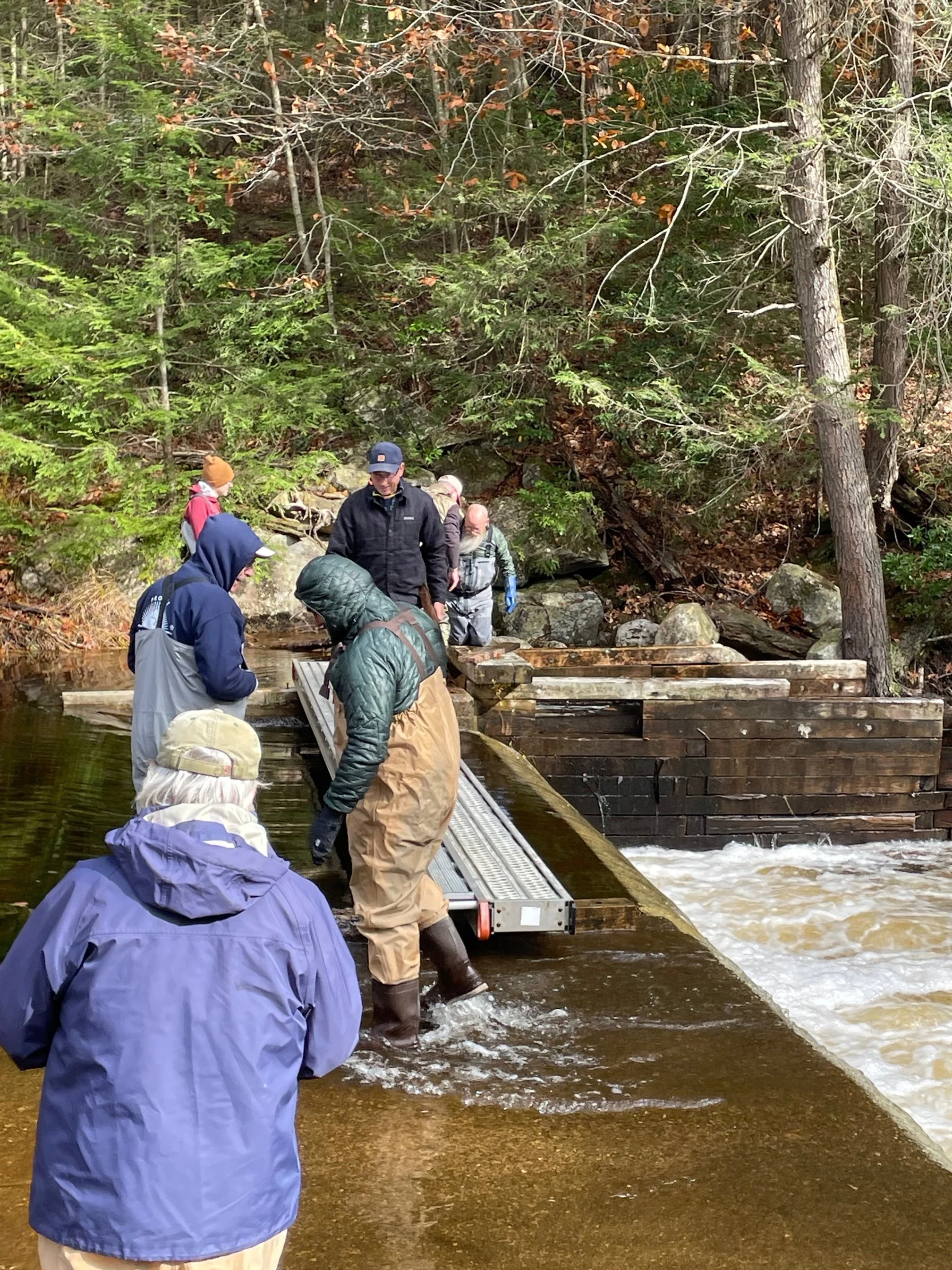
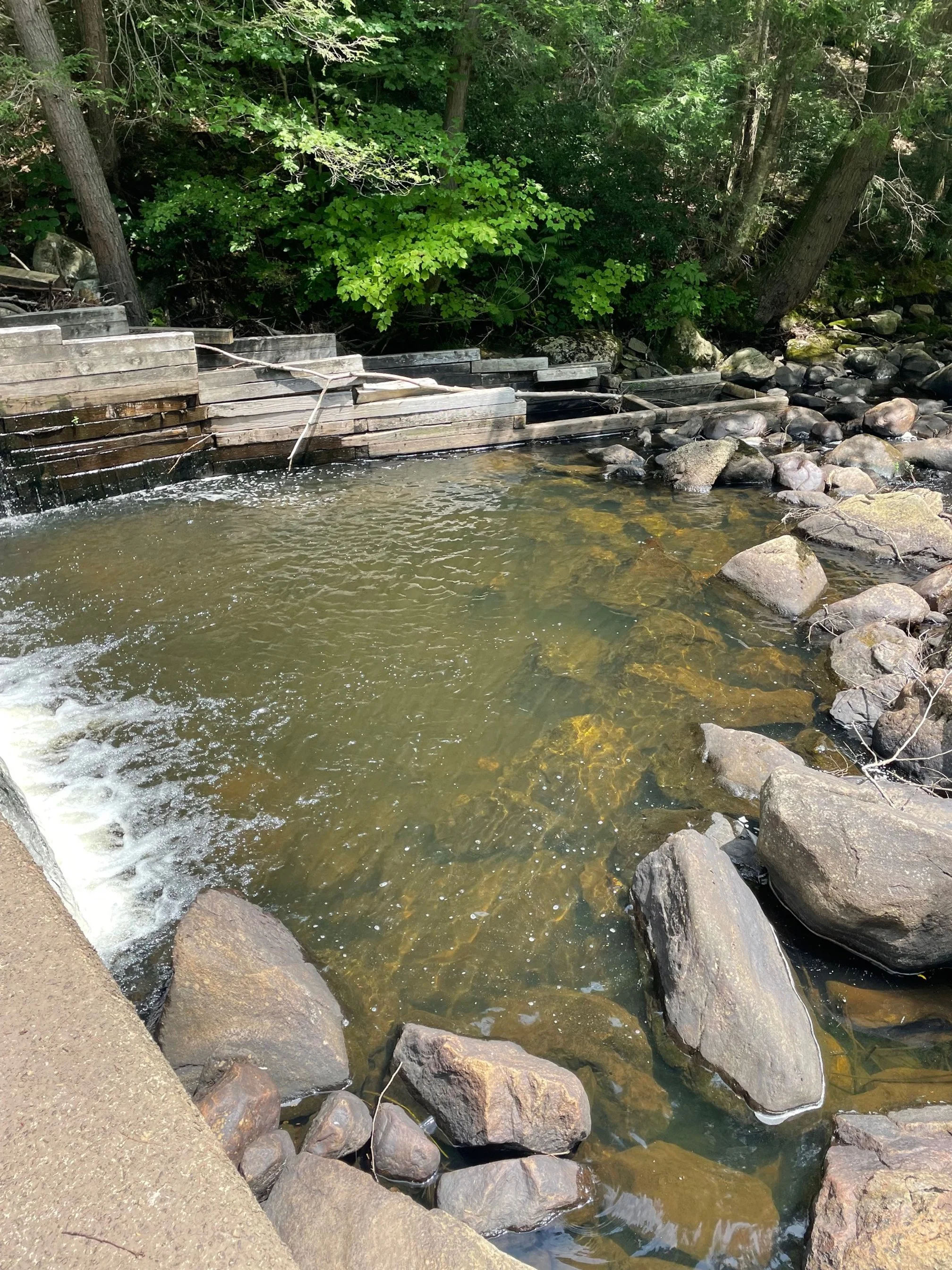
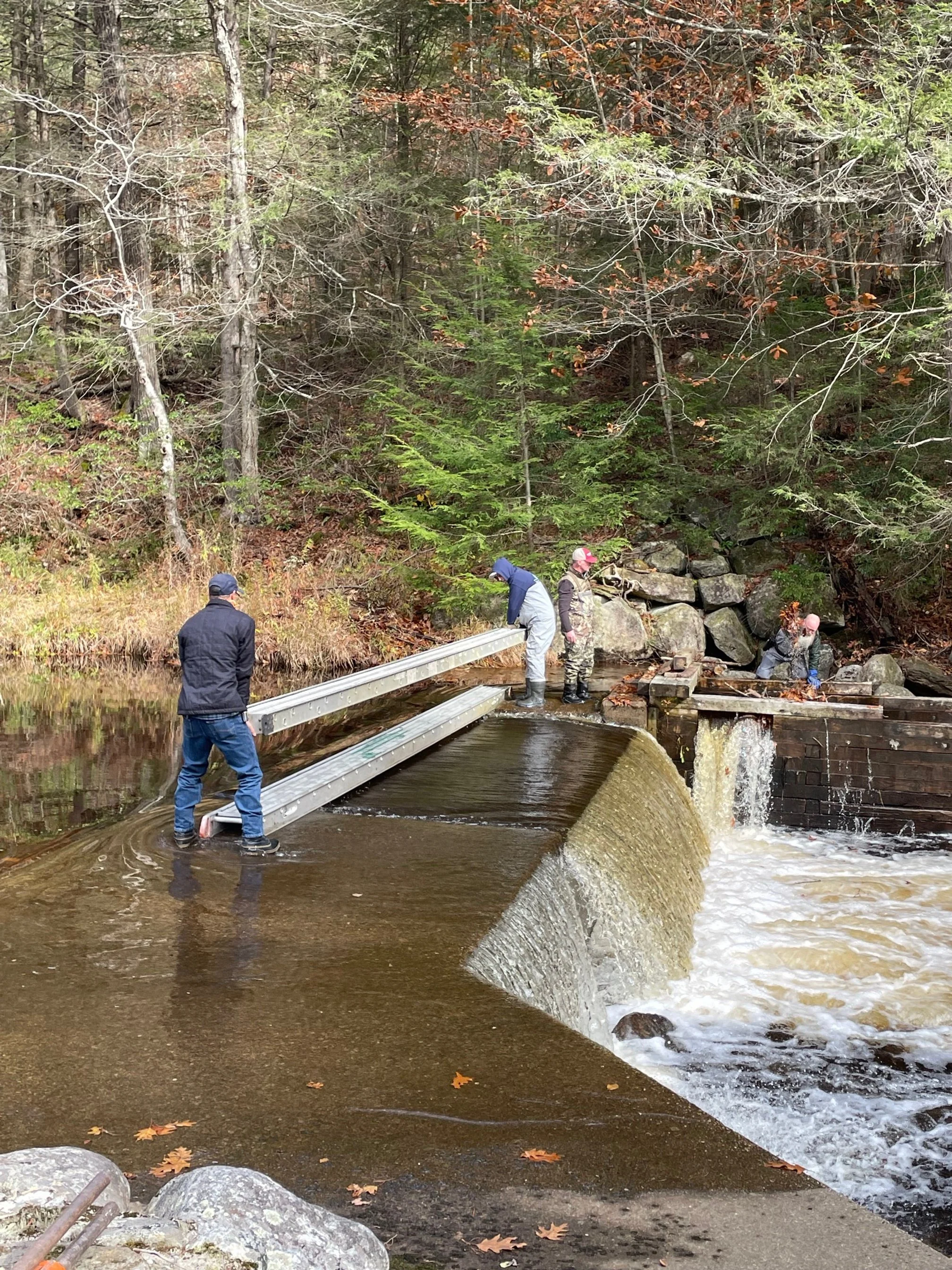
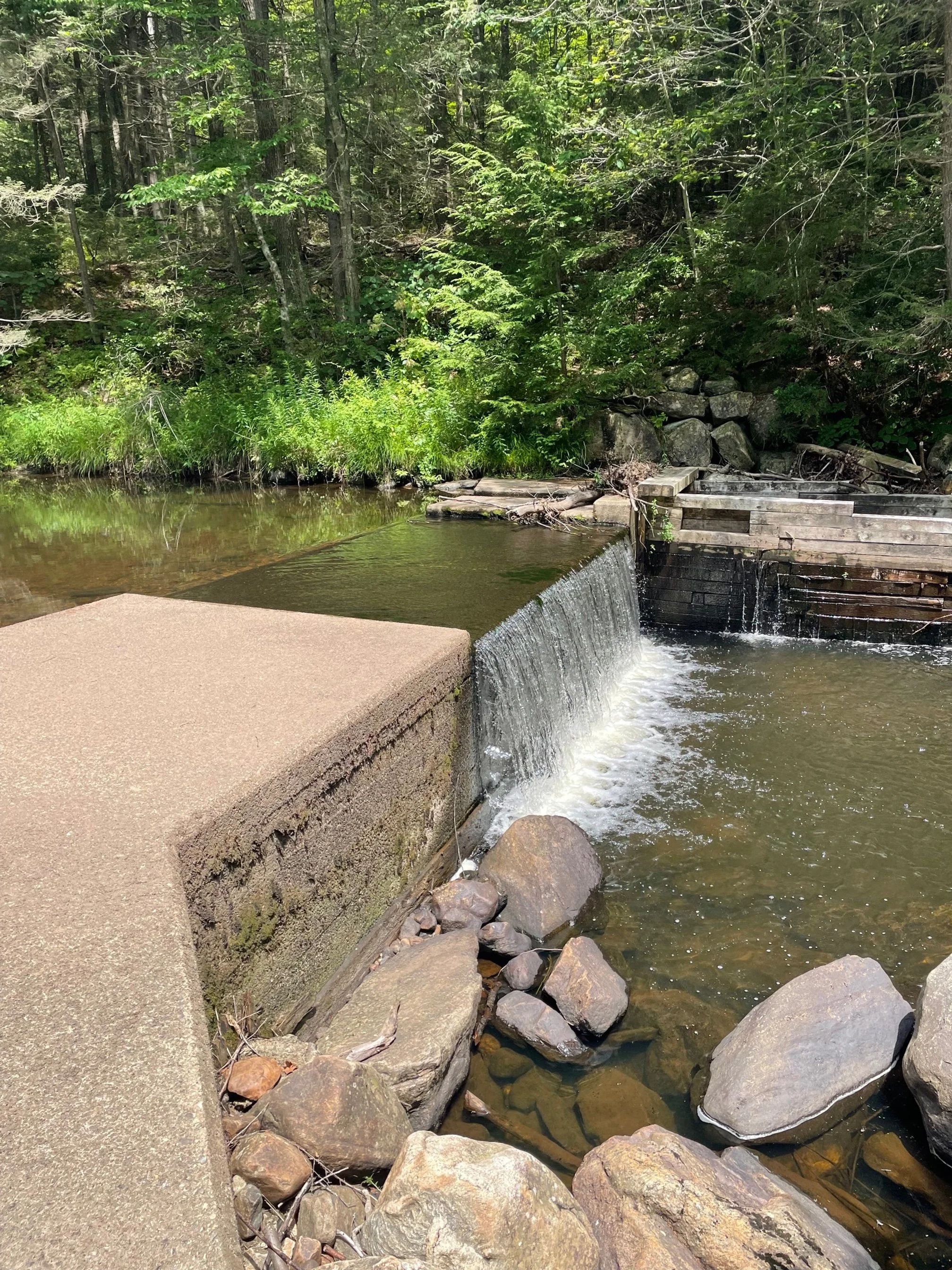
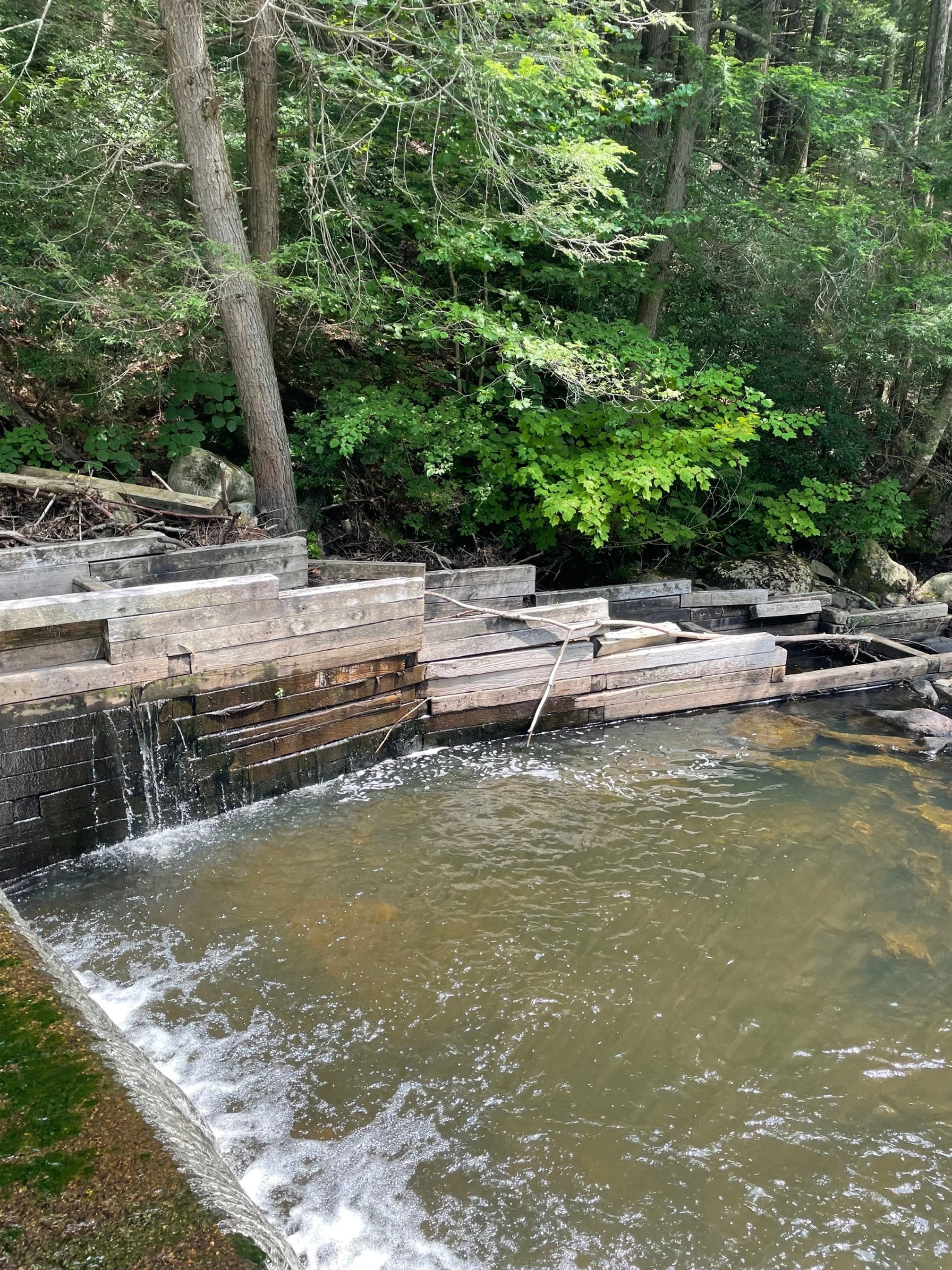
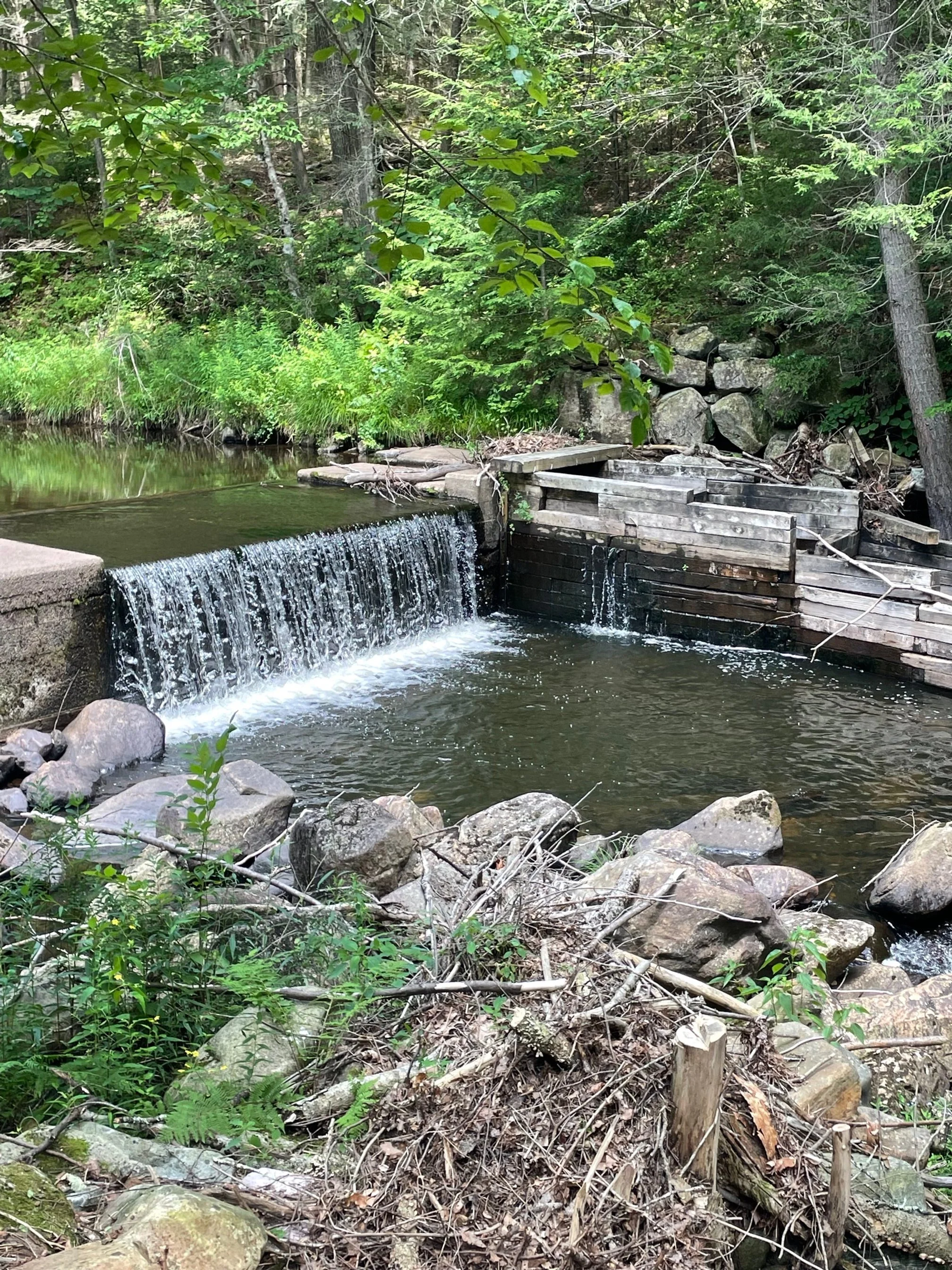
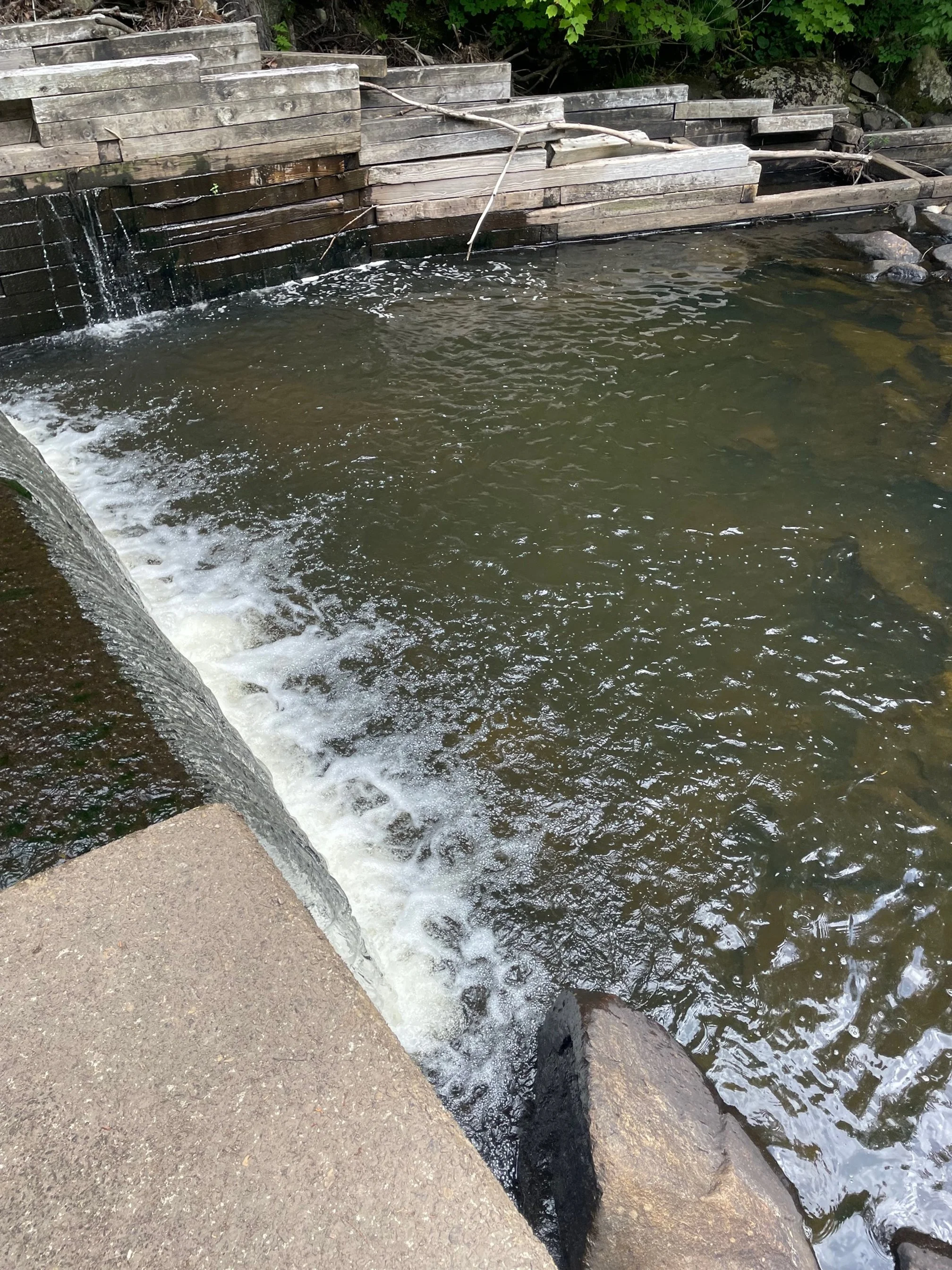
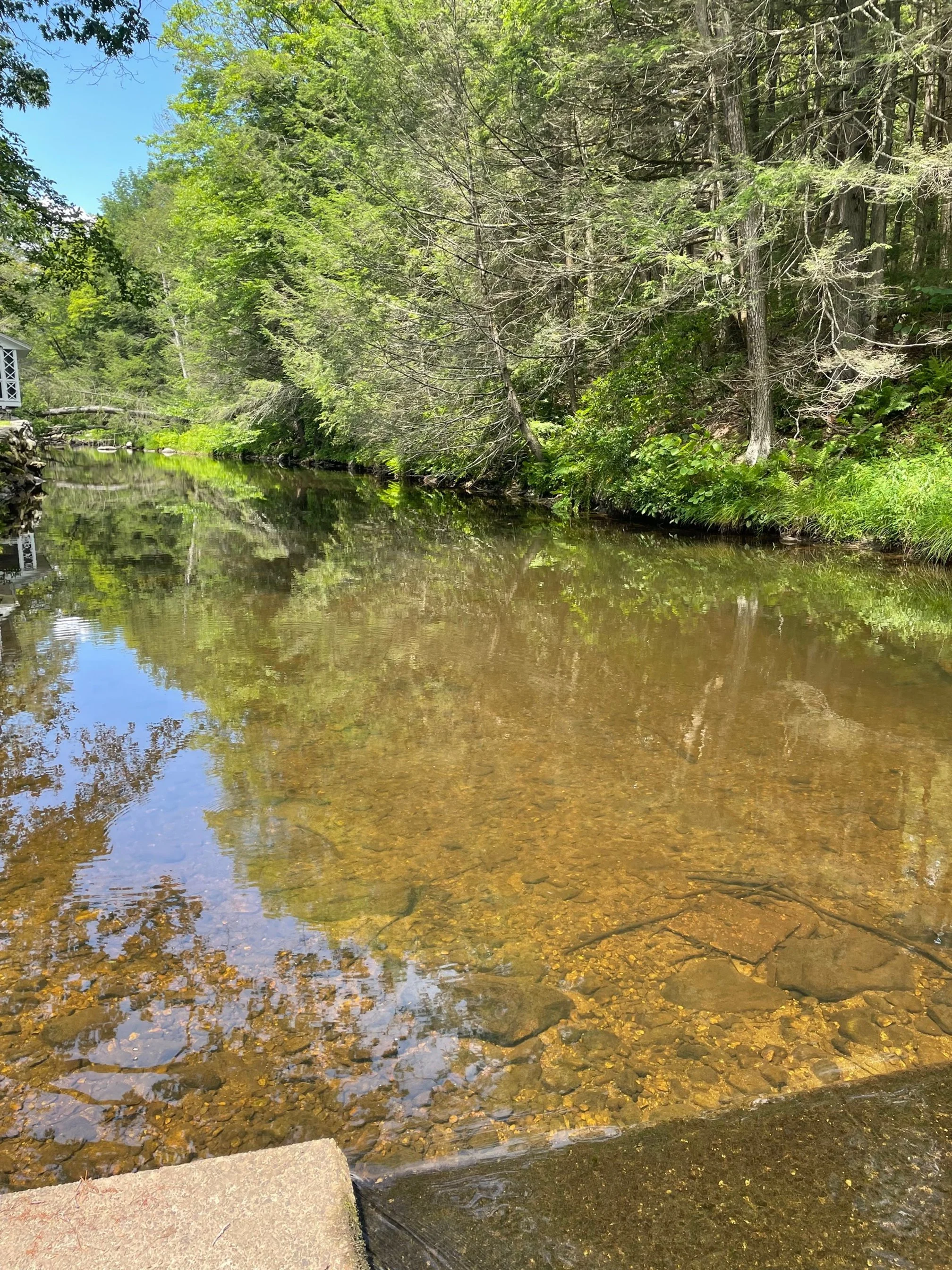
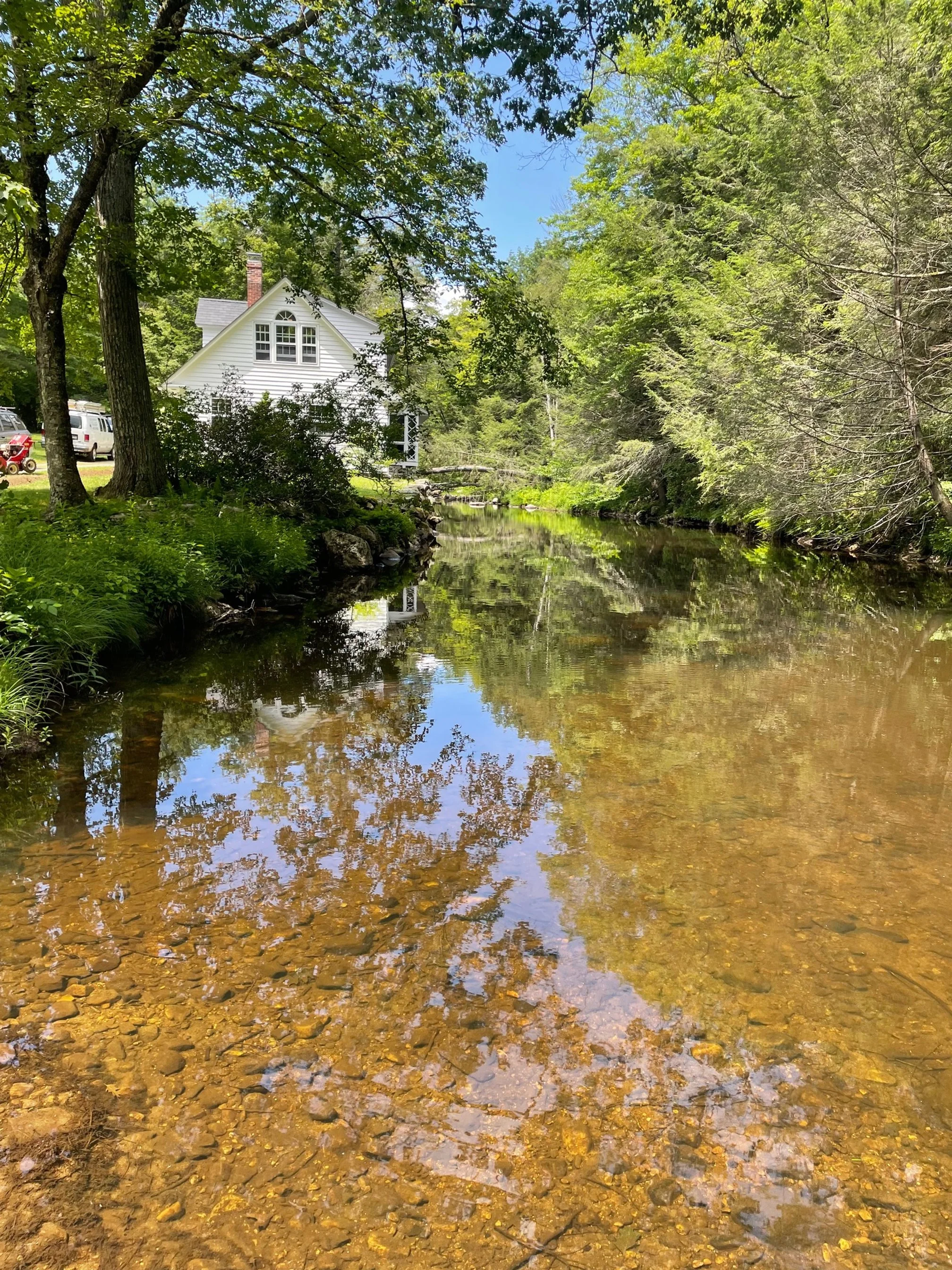
While the fish ladder does provide limited beneficial access to upstream headwaters, the ideal solution would be to remove the dam entirely. This dam is just one of over 4000 dams in the state.
Trout Unlimited has taken first exploratory steps toward the removal of the Opatrny Dam (CT_2916 / SARP ID CT93333) and are actively raising funds to finish the project. This dam was built during the 1980’s without a permit and currently is registered as a class AA hazard dam by CT DEEP Dam Safety. The town of Colebrook issued a permit for dam repairs in 1991 and a pool and weir fishway was built as mitigation. The fishway was not designed for Brook Trout passage, but for the stocked Atlantic Salmon. The National Aquatic Barrier Inventory and Prioritization Tool reports 19 miles of habitat for Brook Trout to the next upstream aquatic barriers in the Farmington River Watershed.
A Letter of Interest has been submitted to the National Fish Passage Program (USFWS) and TU is in receipt of an application.
The Farmington River Watershed is a State and Regional Priority for Restoration to conserve and protect populations of native and wild trout. Dam Removal as a restoration option will be a permanent fish passage benefit. During variation of flow rates, during any time of the year, fish will be able to migrate to adequate habitat for various stages of their life-cycles. Removing the Opatrny dam and fishway will eliminate the human intervention and operation of flows over the dam and through the fishway. This project will not only improve fish passage, but it will also reduce thermal pollution by decreasing impoundment residence time, improving water quality downstream. By allowing the river to flow freely, the tree canopy cover will have an opportunity to grow and shade Sandy Brook. This strong rooted vegetation will reduce erosion, while creating a more resilient and colder riverine system.
There is one owner of the dam and both riverbanks. The same property owner is also the operator of the fishway and has agreed to remove the dam. Partners at Farmington River Watershed Association, Farmington River Coordinating Committee, Farmington Valley Trout Unlimited Chapter, Connecticut Department of Energy and Environmental Protection, and the River Restoration Network have shown support for this project.
This dam removal will improve recreational fishing opportunities at public fish access pull offs along Colebrook Rd. Removing this barrier to fish passage will allow Brook Trout opportunities to access more high-quality cold-water habitat, improving the fishery in Sandy Brook. The flood risk from dam failure and associated damage to downstream infrastructure would be non-existent once the dam is removed.
In a watershed context this is an important project which will grant Brook Trout access to 19 miles of riverine habitat. The Farmington River has a robust wild brown trout population in the main stems. This dam removal project is a perfect opportunity to protect and promote the native Brook Trout populations in the headwater tributaries. Projects such as this ensure native Brook Trout have adequate resources and a large enough habitat reach to stay genetically viable into the future.